
Crafting Ethical Retreats: Navigating Venue Selection with Care

Crafting Ethical Retreats: Navigating Venue Selection with Care

When organizing retreats, my selection process for venues involves extensive criteria.

Some relate to logistics, including location, cost, and layout. I prioritize venues with privacy, reasonable pricing, and single occupancy rooms.

Other criteria encompass my environmental and social values.

Environmental Ethos: Upholding Sustainability in Retreat Planning

Respect and protection for the natural world underpin nearly every decision I make, both personally and professionally.

I seek out climate-conscious collaborators who are implementing sustainability practices that reduce their/our ecological footprint and help regenerate local ecosystems.

I prioritize grounded, ethical retreats over luxury getaways. My goal is to promote responsible engagement with the world. I aim to minimize negative impacts while actively contributing to healthier ways of living with our surroundings.

Many individual and collective challenges, in my view, stem from our disconnection from the natural world and a misguided sense of human superiority that permits endless extraction. Our gatherings provide a space to repair this relationship and rediscover ourselves as part of nature.

Trauma Awareness and Cultural Sensitivity

A core purpose behind our retreats is to nurture belonging for HSPs and introverts, as we embrace our traits and uplift our strengths in support of ourselves and others.

While we may share traits of sensitivity or introversion, it’s important to recognize the diverse abilities, identities, perspectives, and experiences within our groups.

Bringing people together in ways that prioritize belonging, accessibility, equity, and collective well-being is crucial to me.

As I approach my work through a trauma-informed lens and a commitment to social and environmental justice, and have been involved in the wellness world for 25 years, I’ve encountered a range of issues when choosing venues and partners:

  • Experiences of people from marginalized groups often feel further marginalized in wellness settings, and may even fear for their safety in some regions
  • Widespread abuse by teachers, cult-like dynamics, and spiritual bypass in the yoga and wellness world, as well as other religious institutions
  • Cultural appropriation, which has gray areas, but relates to taking or capitalizing on elements of a culture that is not yours without proper understanding or permission from the source culture
  • Misleading claims about treatments and modalities in the alternative healing industry that I’ve seen do real harm
  • Branding that evokes exclusion or able-bodiedness
  • Overtly faith-based in a way that can feel exclusive to those from other faiths or no faith
  • Greenwashing tactics or overly hyping insignificant efforts at real sustainability

The list could go on and I could write about each of these for days. I’ve had a lot of discussions with venues to bring awareness to these issues.

Some of you might be nodding your heads. Others may feel like my criteria and aversions come off as judgey or like my expectations are too high.

I get it, and that’s partially where I’m headed with this article.

Releasing Rigidity: Ethical Retreats Doesn’t Mean Perfection

I’ve turned down quite a few venues for any combination of the issues mentioned.

I firmly believe these considerations are important. My interactions with participants throughout eight years of facilitating retreats have underscored this. However, there’s a delicate balance to strike.

It’s easy to become consumed by the pursuit of an elusive ideal.

It’s good to have ethical standards, but expecting any individual, business, or organization to meet every criterion is not only impractical but frequently unfair and counterproductive.

The quest for perfection is a form of mental colonization, where unattainable standards become ingrained. It stifles honest expression, creates fear of failure, and limits possibilities for growth.

Not only do rigid expectations mirror systemic patterns of oppression; rigidity can overlook other unique strengths that people and places have to offer, and can shut down opportunities to do better together.

In my journey toward creating more ethical retreats, I’m certainly aware of the areas where I have room to improve (physically accessible locations and affordability come to mind). Others are also on journeys. I believe it’s important to extend grace to each other as we continue to progress.

This blog was inspired by the mental acrobatics I went through before agreeing to partner with a particular venue.

Embracing Dialogue and Growth Opportunities

I stumbled upon Elohee, a family-run, non-profit retreat center in northeastern Georgia. The center is highly praised, the staff super communicative, and they have a thoughtful setup.

When I visited, I learned more about their dedication toward preserving the land. I witnessed the love and attention to detail they put into creating a special guest experience.

I listened to the owners’ healing journey. I also learned that their initial vision didn’t involve a retreat center, but they soon felt compelled to share the land with others.

However, one of the venue’s accommodations, known as Thanksgiving House, caused me to hesitate, given the legacy of violence and trauma associated with this “holiday”. I later found out that it got its name because the former owners spent Thanksgivings there, and were invited to return for several years after the current owners bought the land.

I further hesitated when I realized that Elohee comes from the Cherokee word elohi meaning “earth” (by other accounts: harmony, wholeness, abundance, or peace). Despite their intentions to honor the Cherokee, this usage of the word without any involvement from the Cherokee community can be a form of cultural appropriation.

Recognizing that this is the ancestral homeland from which the Cherokee, Yuchi, and Miccosukee, were forcibly removed, I grappled with these issues. I thought about the native participants that have come on retreats and how they might feel.

Do I dismiss venues that fall short in areas that matter to me or might hurt others? Or, do I embrace the potential for growth in dialogue and collaboration?

Rather than dismiss the place, I opened up a conversation with the retreat director, and later, the executive director. Both times, I was met with receptivity to my concerns and learned that they are raising these issues with the Board of Directors.

While I still did plenty of toiling after those conversations, eventually I decided to go forward with a fall Georgia retreat. My choice to go forward with the retreat was in part due to their willingness to listen, learn, and contemplate change.

But it was also grounded in my belief that genuine change and evolution emerge through dialogue rather than outright dismissal.

I’m not sure what they’ll decide or do. I know that organizations can’t change their name and entire brand overnight. As a business owner, I recognize the arduousness of the process.

Just as importantly, I know that decolonization, change, and healing are not instantaneous. They require time, depth, ongoing discussion, and a collective acknowledgment of past missteps.

Focusing on Strengths in Venue Selection

Truly, no venue I work with can check every box, even though they’re all doing amazing work. Here are a few examples of the ethical retreat venues I work with:

Portugal: Monte Velho is doing great things with sustainability and reforestation efforts. They have spacious single rooms with private baths. The food is outstanding and they have a solid team. But their prices keep increasing, and limited transport in the region means I pay other high costs, making this trip less financially feasible for some.

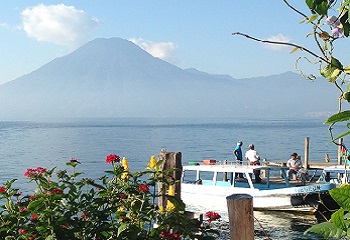
Guatemala: Lomas de Tzununá not only offers incredible volcano views, they’re also committed to their community and environmental protection. Prior to building, they engaged community members in a participatory process to share their intentions and ask how the hotel could support the local community. They built (and still support) a community center in town, which aligned with the needs the community expressed. Our values align on many levels. The downside is that it’s built on the side of a cliff with many stairs, which drastically limits its physical accessibility.

Mexico: La Duna Centro Ecológico is owned and run by my mentor and co-facilitator Gabriela Flores. It’s great to work with someone who is from the country we’re visiting (sadly, it’s rare) and who is so heavily involved with local scientists and activists in protecting the surrounding dune ecosystem. La Duna is very off-grid, nearly carbon neutral, and a true oasis where desert meets sea. The challenge is that it’s more rustic and not everyone is willing to nudge their comfort zone. Yet, its simplicity and remoteness may also be part of what allows people to sink so deeply into their connection with nature.

Final Reflections…

Every venue can present its unique mix of challenges and opportunities, requiring a balance of ethical standards and practical considerations. The examples provided underscore that no venue or partnership can meet every criterion, nor should they be expected to do so.

Instead of seeking flawlessness, I’ve come to value focusing on the strengths of my partners and the impactful work that they are doing.

Reflecting on my own experiences, I recognize that dwelling too much on what I’m not doing can keep me stuck. When I remember the impact my work does have, I experience more feelings of possibility, creativity, and motivation in ways that match the values I’ve outlined.

There will inevitably be moments for honest dialogue and suggestions. Yet, what matters is that we’re on a journey of learning, adapting, and taking the actions we can toward equity and collective well-being.


Flying with Ease: How to Manage Anxiety on Long Flights

Flying with Ease: How to Manage Anxiety on Long Flights

You’ve taken the leap and booked your trip. The anticipation of the adventures that lie ahead fills you with excitement – envisioning awe-inspiring sights, savoring delightful new flavors, and immersing yourself in the sensory experiences of the places you’ll visit.

Yet, nestled within this excitement comes some unease about the flight.

Embarking on a long flight can feel daunting, especially for sensitive people given that we’re so attuned to our environments.

As a retreat facilitator, I’m used to lengthy travel, but even I experience some dread when it comes to long-haul flights.

Several participants from our upcoming retreats have expressed nervousness. So, I’ve put together some tips to set the stage for a more comfortable experience.


Prepare in Advance to Manage Anxiety on Long Flights

1) Pack Intentionally: Bring items that offer comfort and shield you from external stimuli. Wear comfy clothing. Airplanes can get cold, so pack cozy layers and socks. Consider packing noise-canceling headphones, ear plugs, an eye mask, and a travel pillow. Some travel pillows even have heating and massage features.

Though not a typical travel pillow, I use the Pillow Cube Sidekick. With a window seat, it sits perfectly between my neck and the wall without collapsing. It’s not small, but can be squished into a carry-on without losing its shape. This also ensures I have a good side-sleeping pillow during my travels.

If you’re sensitive to smell, masks can serve as a barrier for perfumes or other scents, as can a tiny bit of Tiger Balm under your nose (if you’re okay with this scent).

If you’re checking your luggage, be sure to pack a change of clothes and essential toiletries in your carry-on.

2) Consider a Stop-Over: If you can extend your travel by a day or two, consider a stop. Identify the major airports where flights from your city are likely to stop. See if you can book two separate flights or a flight with an extended layover. This year, I’ve booked an overnight stay in Abu Dhabi on my way to Thailand, which is actually cheaper even with hotel costs.

3) Choose the Right Seat: Paying extra to select your seat can be worth it for long flights. Window vs. aisle is a personal preference. I always opt for the window because I like being able to gaze out, lean against it, and have one side of me without a person there. However, if you’re tall, maybe you prefer the aisle (or exit row) to stretch your legs more often. Look for flights that offer a Premium Economy option. Some premium economy seats offer more seat recline, leg room, and wider arm rests.

4) Talk to Professionals: If you’re feeling highly anxious, talk to your doctor and/or therapist about ways to manage your anxiety. This might be tools and techniques or anxiety medication for the flight.


Create a Relaxing Inner & Outer Environment

1) Engage Your Senses: Curate a playlist of calming music, guided relaxation, or yoga nidra. Give yourself a massage to self-soothe (also for circulation). I pack a tennis ball to lean into for relief from chronic knotting in my upper back. Use your senses to cope with anxiety on long flights.

2) Breath Awareness: Slowing your breath, particularly your exhale, can help calm your nervous system. Exhale to the extent you can, notice the brief pause at the end of the exhale, and then, allow an easy, gentle inhale. Repeat and invite your breath to be a loving travel companion. 

3) Grounding: Become aware of all the points of contact your body makes with a support beneath you and notice what is holding you. Another grounding technique is to Identify a relaxed or neutral place in your body (maybe a hand or toe) that can serve as an anchoring resource. Let your attention rest there as you breathe gently.

4) Befriend Your Anxiety: Become fully aware of your anxiety. Maybe give it a name. Acknowledge its worries with compassion, as a loving adult would to a scared child. Further, you can let this part of you know you’ve “got this” while continuing to soothe and tend to its concerns as needed.


Self-Care & Movement

1) Stay Hydrated: Dehydration can intensify feelings of anxiety and discomfort. Drink plenty of water and avoid excessive caffeine and alcohol.

2) Gentle Movement: While in your seat, you can incorporate shoulder rolls, neck movement, ankle circles, gentle twists, and arm stretches to promote circulation and relieve muscle tension.

3) Walking Breaks: Movement can help release endorphins and alleviate restlessness. Take short walks around the cabin to stretch your legs.

4) Rest: Keep in mind time changes and your circadian rhythm. Sleeping on airplanes may not be easy, but at least give yourself time to close your eyes for extended periods.


Distraction & Entertainment

1) Engage in Reading / Listening: Give yourself something to look forward to on the plane. Download new episodes of your favorite podcasts or save that book you’re dying to read.

2) Watch a Movie: Most long-haul flights feature a wide selection of films, television series, and even language lessons to help pass the time. Of course, opt for calming shows and comedies.

3) Creative Pursuits: Consider carrying a small sketchbook, coloring book, journal, or puzzles to foster relaxation and focus.


When Managing Anxiety on Long Flights, Remember This

You can prepare all the things and still encounter discomfort. However, part of what can make travel meaningful is your own choice to test your edges and strengthen your resilience. Each moment, even the journey there and away, can be a time for reflection – a time to get to know your own capacity. Remember to be kind and patient with yourself along the way.

Do you experience anxiety about flying?

Feel free to share a comment about how you manage anxiety on long flights in a comment below. Or check out the following:

Read: HSP Travel Tips: 8 Ways to Preserve Your Energy
Listen to: How Introverts Can Take the ‘Drain’ Out of Travel — and Enjoy It More

How I Balance My Energy as an HSP Retreat Leader

How I Balance My Energy as an HSP Retreat Leader

People often ask me how I balance my energy as an HSP when I’m leading retreats.

This is a question I’ve had to ask myself repeatedly over the years. Despite the capacities people see in me when I’m facilitating a group, I’ve faced plenty of leadership challenges.

Like most HSPs, I have a tendency to experience sensory overload when traveling. While I can handle quite a lot, my nervous system freaks out if I push past a certain point.

I also care deeply about the people I serve. I value providing experiences in which my clients feel supported. Yet, as an HSP who gives and feels a lot, I can wind up absorbing other people’s emotions if I’m not careful.

To show up fully for my retreat groups, it’s imperative that I make space for my own needs. Learning to balance my energy as an HSP has taken discernment and practice, but I’ve found a few things to be supportive.

Even if you’re not leading retreats, you might find a helpful nugget of wisdom here.

6 Things I Need to Balance My Energy as an HSP Retreat Leader

1) I create spacious schedules.

I know facilitators who are like energizer bunnies. They can happily teach and socialize all day long. This is not me. The downtime I structure into my retreat schedules is just as much for me as it is for my clients. I need time to rest, as well as to process experiences and emotions that come up if I’m going to prevent depletion. Even when I was working as a social worker, I was capable of really challenging work. Yet, I did best when I had the flexibility and autonomy to take breaks so I could close my eyes for a few minutes or even let out a few tears in the bathroom.

2) I ensure I have quiet personal space

As an HSP retreat leader, I spend a lot of time being there for others. I need a space that I can rely on as a safe haven of quiet and solitude. I usually ensure I have my own room set away from others. Sometimes I’ll share a room with a co-facilitator since this can allow for easier check-ins and communication. If I do share, I inform the other person in advance that I’ll need silence sometimes when we’re in the room together.

3) I adapt my personal practices.

The practices that help me balance my energy as at home are not necessarily what I need when leading retreats. Recently, I started a Morning Pages practice. I was in a consistent flow of writing three pages every morning. But I accepted this would change during a retreat, as I knew good sleep would be a more functional practice. So, I wrote however many pages at whatever time of day I felt drawn to write. When it comes to my yoga practice, one reclined yoga pose or sitting in meditation before teaching yoga feels more grounding than an elaborate asana practice. The simplest of practices help me regulate and recharge. I lie on the ground with my legs elevated, close my eyes, and allow myself to be held.

4) I work with partners I trust to provide support.

I learned the value of support when I broke my foot in Guatemala two days before my first retreat ever. That’s a story, but it showed me how important it is to have people to lean on (sometimes literally). I typically hire an assistant and make a point to work with venues and guides that I really trust will provide support. It helps that the local guides I work with take the reins when they’re guiding. This gives me the opportunity to relax and enjoy experiences alongside my clients. One thing I’m still practicing is the skill of delegating–and recognizing when I’m taking on a role that someone else can do.

5) I communicate my boundaries.

As a facilitator, it’s my responsibility to be accessible to participants. This means that there are times when I sacrifice some alone time in order to answer questions or tend to someone’s needs. That being said, I also remind myself that I’m allowed to have boundaries. When I first began leading retreats, I’d often drop whatever I was doing to help someone. I’ve learned to reel in this tendency. Now I confirm I’m glad to help, but if it’s not an urgent matter, I’ll propose a time to chat after I’ve given myself time to recharge.

6) I embody “enough”.

There was a time I placed pressure on myself to get everything “right” in my retreats. I’d have a nagging feeling that I had to plan every detail of my classes. I constantly noticed shortcomings or would feel self-critical. I’ve faced major challenges during these retreats: breaking a foot, mountains of stinky sargassum seaweed washing ashore, and even a trip highlight being closed last minute. Still, even with the biggest setbacks, I have clients who will still comment about how much they loved their retreat. My experience over the last seven years has taught me that whatever I do is enough, as long as it’s with intention, care, and integrity.

Final Thoughts on Balancing Energy as an HSP Leader

There are many ways to approach energy management as an HSP. If you’re in a leadership role, it’s important to identify and assess your own strengths and needs to know what’s right for you. Making space for your needs will help sustain your energy and allow you to actually show up for others in the way you intend.

Of course, if you’re interested in joining me on a retreat, I invite you to check out my upcoming HSP Retreats.

Photo by PNW Production

How HSPs Can Enjoy Travel Without Depletion

How HSPs Can Enjoy Travel Without Depletion

Have you had a travel experience that left you feeling depleted? As an HSP and lifelong traveler, I’ve felt more than my share of travel overwhelm and exhaustion.

And yet, I continue to love traveling…especially since I’ve learned to understand and work with, not against, my sensitive strengths and needs.

While it’s true that travel can be draining for HSPs, it doesn’t have to be. If you’re honest with yourself about what you need, and intentional about honoring those needs, you can experience much more meaningful, enriching travel, and far less of the overwhelm that some of us have come to associate with travel adventures.

I’d love to share what I’ve learned, so here are a few recommendations for finding enjoyable travel experiences while drastically reducing the likelihood of depletion.

Dig deeper with your intentions

Take some time to consider why you’re traveling and what you want to experience before you start planning.

Many people think of travel as an escape, or a way to let go of stress. While there’s nothing wrong with this sentiment (everyone needs a break from time to time), the true benefits of travel go far beyond relaxation.

That’s why I would recommend setting a deeper intention beyond stress relief, or even a bucket list item. For example, your purpose might be to explore the edges of your comfort zone or genuinely connect with people of another culture.

Having a clear purpose will not only make your experience more meaningful, but it can help you re-center, feel empowered, and build a reserve of confidence that will be helpful in challenging moments you may encounter.

Contemplate what you want to feel

As an HSP, you likely need time to simply be in your new surroundings without having to rush to the next place. Consider what settings help you connect to your senses in ways that support your nervous system.

I’ve had retreat guests skip yoga to observe hummingbirds, or bow out of a guided tour to people-watch or savor local dishes at a cafe. For others, a mindful walk may allow a chance to feel your muscles and the ground under your feet.

Knowing what you want to experience can help you to focus on what’s important to you, avoid overplanning, and allow for unscheduled time so your trip may unfold as you travel.

Choose complementary travel companions

Sharing travel experiences and building memories with others can make it so much more meaningful. But, having some discernment around who you travel with can be just as important as your actual plans.

I have quite a few loved ones that I can share fun activities with, but it doesn’t mean that our travel rhythms match up.

When traveling with friends, family, or even strangers, I highly recommend talking about your intentions for the trip. Discussing any preferences and needs in advance can help set clear expectations and set the stage for open communication in the event that you feel overwhelmed or need to say no to something.

Here are some considerations that you may want to clarify with your co-traveler(s):

  • Will you do everything together or will you do your own thing at times?
  • How important is it to be able to be flexible or go with the flow?
  • How active will the trip be? How important is downtime?
  • What kind of pace do you envision for your mornings?

Plan for integration time

Most of us put a lot of effort into planning the trip itself. Yet, I’ve come to realize that planning for how I handle the return is nearly as important.

There was a time when I used to squeeze as much as I could out of my vacation time so that I could enjoy more time away. I’d leave almost no time to settle in and recover, and instead, I’d just hit the ground running.

Not only was this jarring to my sensitive nervous system, but it also made it more challenging to integrate what I had learned or experienced during my travel experience into home life. Now, planning for downtime after a trip, particularly after I’ve run a retreat, is a must.

What about you?

What do you think can help HSPs enjoy travel without depletion? What destinations or environments have you found to be most HSP-friendly? Feel free to share your experiences and ideas in the comments below.

Interested in traveling with people who get you?

Check out our upcoming retreats. We have trips to Guatemala, Peru, Portugal, and Thailand on the horizon in 2023!

HSP Travel Tips: 8 Ways to Preserve Your Energy

HSP Travel Tips: 8 Ways to Preserve Your Energy

Travel can be uplifting or downright draining for highly sensitive people (HSPs). To explore the world without feeling depleted, a few HSP travel tips can facilitate a positive experience.

As HSPs, we may feel deeply moved by the magic and adventure of experiencing a new place and culture. Yet, another part of us knows that travel for us often entails feeling overstimulated.

Over the last 15 years or so, I’ve traveled solo, as well as with partners, family, friends, and of course, my retreat guests. As I adventured, I began to learn which aspects of travel filled me with energy and which left me feeling anxious or zapped.

Learning about the HSP trait has further helped me understand how I can best take care of myself in various areas of my life, including work, relationships, social situations, and adventure travel.

Recently, I spent a month in Peru leading retreats. My time there with other HSPs reinforced the idea that there are specific features and contexts of travel that help prevent overwhelm and anxiety. I’d like to share a few HSP travel tips I’ve learned from my solo and group travel experiences that I hope can help your future travel experiences.

8 HSP Travel Tips to Preserve your Energy

HSP Travel Tip #1: Know that pre-travel anxiety is normal.

Take it from a serial traveler who has lived in several countries and loves adventure. I still experience anxiety before every trip. Packing, planning, flying, being away from loved ones, and heading into the unknown all feed into our anxiety.

Most of the time these days, waves of anxiety wash over me and I catch myself. I may cry or have a freakout moment, but I use my emotional regulation skills and remind myself that everything will be okay. Make self-care non-negotiable before travel. Sometimes this means saying no to social invitations or lightening the burdens you place on yourself just before travel.

HSP Travel Tip #2: Decide where you’re going.

I don’t believe there’s an ideal destination for HSPs. Urban adventures appeal to some since museums and the arts can provide the kind of stimulation we dig. Others prefer the wilderness for quiet and serenity.

Ask yourself what kinds of environments you thrive in and find meaningful. Plan to spend most of your time in those places. Consider the amount of activity, social interaction, and emotionally charged situations you may encounter and how you can find balance.  When possible, spend several days in one location rather than trying to cram too much into one trip.

HSP Travel Tip #3: Make an “activity sandwich”. 

Just because an excursion or destination is crowded or loud doesn’t mean HSPs are out. With enough downtime padded on either side, even over-stimulating activities can be worth it.

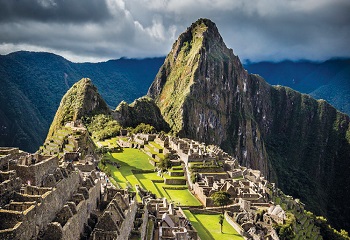
For example, on our two-day excursion to Machu Picchu during our Peru retreat, I knew those days were going to be long for us introverts and HSPs. FYI, Machu Picchu can be crowded. I scheduled an “activity sandwich” so that we’d have a full day to rest both before and after this side trip. For most of us, this made the stimulation manageable.

HSP Travel Tip #4: Travel solo or choose your travel pals wisely.

Traveling alone can be deeply enriching for HSPs because of the flexibility it affords. It means the freedom to go dancing or snuggle up with a journal. You can soak up the wild sensory experiences of a local market, but leave when you’ve had enough.

It can also be nice to share memorable experiences with others, especially if those others are people who understand your sensitivity and need for downtime. Talk about your preferences and needs before committing to a trip when possible. Having a compatible travel companion can make all the difference.

Holly, a guest from our Peru HSP and introvert retreat said, “In overwhelming situations, the recovery time was shortened. What would normally take days took hours. The group somehow provides recharging when a group normally doesn’t do that. It’s weird.”

HSP Travel Tip #5: Wear comfortable clothing.

Airports, airplanes, and buses are not usually favorite components of traveling. If you’re an HSP with major sensory issues like me, let go of fashion and wear your coziest leggings and fleece on the plane. Dress in layers to make yourself comfortable. Comfy clothes can help bring us HSPs a sense of ease when we’re entering into the unknown.

HSP Travel Tip #6: Pack these HSP must-haves.

Since many of us HSPs are sensitive to things like odors, fragrance, noise, and bright lights, there are a few small items that I recommend packing that can support us when we’re feeling overwhelmed by our senses. After hiking in Spain in 2017, I made a short video titled “6 Must-Haves for Your Camino If You’re a Highly Sensitive Person”. These must-haves are good HSP travel tips for any adventure.

HSP Travel Tip #7: Take alone time without shame.

If you already have a practice of taking alone time, then you know the profound impact personal time to recharge can have on your well-being. There’s no shame in asking for time to yourself when you need it. Know your boundaries and when too much is too much. You’ll be able to show up for yourself and those around you when you honor your needs.

HSP Travel Tip #8: Go with the flow and adventure of it.

Perhaps the most important of these HSP travel tips is to remember that travel is all about stepping into the unknown, learning, and growing. We can take precautions to mitigate unnecessary stress or stimulation. But we can really only plan so much. When you say yes to travel, you enter into a learning experience with a wild teacher. You may have signed up for a class, but you never fully know what every detail of the syllabus is going to look like until you’re in it. Remember that the adventure is what makes traveling fun and helps us to grow.

If you want to join other HSPs and introverts like you for an adventure of a lifetime, be the first to hear about our 2020 HSP & Introvert Retreats by subscribing to my emails.

Mindful Camino Lesson #2: Pain is a Teacher

Mindful Camino Lesson #2: Pain is a Teacher

Today I’d like to share a few ways I see pain as one of my greatest teachers.

If you’re human, you’ve experienced pain… many kinds of pain. Loss of a loved one. A broken bone. A break-up. Discrimination. Chronic illness. Bullying. An absent parent.

Sensitive people can be particularly affected by pain. We’re more susceptible to stimulation, and we feel it on multiple levels.

That said, we also have a special skill in transforming pain into the fuel that makes our lives meaningful. I saw this within myself during my recent knee injury while hiking the Camino de Santiago. When pain struck, I used it to learn and make sense of my experience.

So what does pain teach us?


1. Pain teaches us resilience.

Sometimes it feels like it’s too much to bear. You may know that feeling intimately.

My knee pain was excruciating, but it paled in comparison to the sudden loss of my mother. Yet, the physical pain on my Camino reminded me of just how much we can endure, particularly if we have healthy coping skills at our disposal.

I met a German woman one day. In the few minutes we chatted, I learned she was carrying her husband’s ashes. He had hiked the Camino de Santiago annually since 2009 until his passing in 2016. This was powerful for me, as the thought of losing my partner is something that makes me anxious. Her sense of ease in carrying him with her made me realize just how strong we really are.

When we can sit with the challenges of our lives and incorporate it into our sense of strength and resilience, we become empowered beings that can handle almost anything.

2. Pain teaches us to listen.

It alerts us to a problem and urges us to listen.

It would have been wise to listen to my body sooner. But I was intent on finding a solution so I could keep walking. Meanwhile, I ignored the call from my body to take rest and made it worse.

Far too often we ignore the physical and emotional pain of our lives. We cope by working harder. We turn to alcohol and drugs as a temporary fix. We’re too good for our own good as we frantically help others while ignoring ourselves.

One of my yoga teachers, Morgan Lee, once said to listen to yellow lights to prevent injury. I’ll take this further and say that yellow lights come in many forms. Sometimes it’s a warning from your body. But maybe it’s a sign that you’re overloading your plate. Or maybe it’s a sign that it’s time to let go of that relationship that feels destructive or imbalanced.

3. Pain teaches us presence

On the Camino de Santiago, it’s very easy to get into “pilgrim mode” of walking quickly without taking time to talk to a local or notice the purple flower growing out of the ground. My injury forced me to pause and appreciate the beauty around me. And when I took the time to notice something other than myself, it helped me manage my pain.

Emotional pain is no different. When we power through or ignore it, we often miss an opportunity. If we allow ourselves to feel pain, then we can tap into a collective experience that all living beings share. When we are present with pain and notice how it shows up, we have an opportunity to reflect and transform it.

4. Pain teaches us gratitude

I caregive for a woman who had a stroke five years ago and spends her days sitting in a chair. She and her husband used to hike and travel all over the world. Now he goes alone.

While she has good days and bad days, she frequently talks about being thankful for her family and travel experiences. She’s thankful for the days when she’s not in as much pain. I thought of her a lot during my Camino.

I felt grateful for my ability to walk despite the pain. I felt grateful for the moment. I felt grateful for my breath, my eyes, and my ears. I felt grateful for the earth and trees, and all of the things that are more powerful than pain. I felt grateful for the small moments I photographed (see below).

Ultimately, that gratitude is what led me to stop my Camino. I thought of this woman and how her Camino shifted to an “inner camino” years ago.

That, my friends, is what the Camino de Santiago is all about for me. It was never about arriving, but about how we face ourselves and live as the highest expression of who we can be.

What have you learned from pain in your life? I’d love to hear from you if you feel inclined to share.